







Search Results for: grind and grind purging

Ten easily overlooked details in pour-over coffee, Front Street breaks them down for you one by one
Many coffee enthusiasts, when brewing pour-over coffee, follow established parameters yet the final flavor often deviates from expectations—the problem usually lies in those easily overlooked operational details. Front Street Coffee has compiled ten points that beginners most often neglect, covering pre-grinding burr rinsing, filter paper fitting, tapping the dripper, checking before pouring, timing of water temperature confirmation, parameter execution, bloom saturation, focusing on the coffee bed rather than the scale, shaking for evenness, and correctly interpreting the shape of the spent coffee bed. These details may seem minor, but they directly affect extraction uniformity and the final taste. Mastering them will help you pinpoint the source of problems more quickly during troubleshooting, bringing every cup closer to the ideal state. [more…]
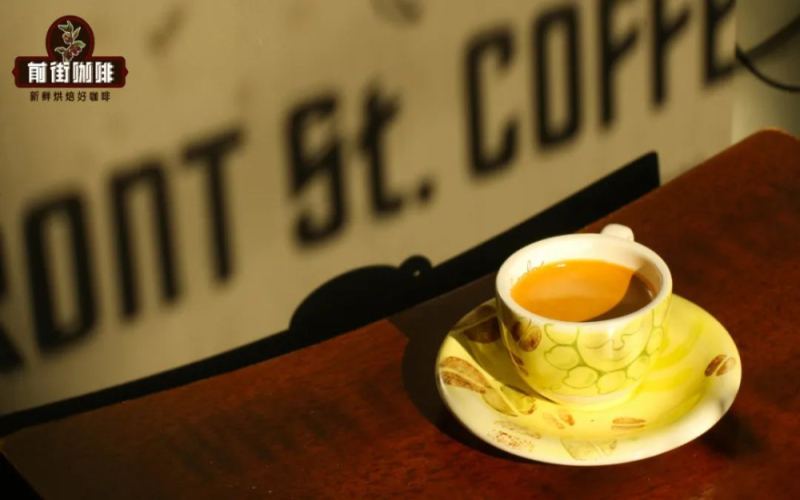
Espresso Morning Calibration Grinding Strategy: Use Three Coffee Bean Batches to Quickly Lock In the Day's Extraction Parameters
Adjusting the espresso recipe every morning is a required course for many baristas, but many people waste a large amount of beans through repeated trial and error, which is costly and can easily lead to heart palpitations from drinking too much. Front Street Coffee also went through this stage, and ultimately it was because they kept staring only at the grind setting and adjusting repeatedly, without finding the true source of the problem. This article sorts out from the beginning a method for determining the day's extraction formula within three shots: first determine whether the grind needs to be changed, then infer underextraction or overextraction from the taste, and finally master the two key details when adjusting the grinder—distinguishing the size of the adjustment increment and purging residual grounds. The article also includes practical tips such as preheating the blind basket, helping reduce waste and improve morning adjustment efficiency. [more…]
Nine Easily Overlooked Details for Pour-Over Coffee Grounds That Noticeably Improve Flavor Once Mastered
Many coffee enthusiasts, after enjoying a satisfying pour-over at a café, will buy beans to try at home, only to find the result falls short of what they had in the shop. In fact, the problem often lies not in complex techniques, but in some of the most basic details being overlooked. From rinsing the grinder before grinding and fitting the filter paper, to blooming and moistening the grounds, to observing the coffee bed while pouring, every step can affect the final flavor. Front Street Coffee has compiled nine brewing points that beginners most easily overlook, to help everyone eliminate unstable factors from the source and more accurately determine whether the coffee tastes bad due to grinding, water temperature, or pouring technique. [more…]
Nine common operational mistakes made by pour-over coffee beginners—only by troubleshooting them one by one can you consistently reproduce good flavor
When brewing coffee at home, you follow the barista's advice to the letter, yet the result is always far from what you get in the café. The problem often isn't how advanced your technique is, but rather some easily overlooked basic details. Front Street Coffee has sorted out the nine most common operational oversights among beginners: not rinsing the grinder before grinding beans, which causes flavor transfer; the filter paper not sitting flush against the dripper; over-tamping the grounds; inadequate checking before pouring; confirming water temperature too early; uneven blooming; imprecise execution of parameters; staring only at the digital scale and not at the coffee bed; and drinking without swirling the coffee first. These steps seem minor, yet they directly affect extraction uniformity and the final taste. Only by checking them one by one and turning them into habits can you reduce sources of instability at the root and more quickly find the real reason your coffee doesn't taste good. [more…]
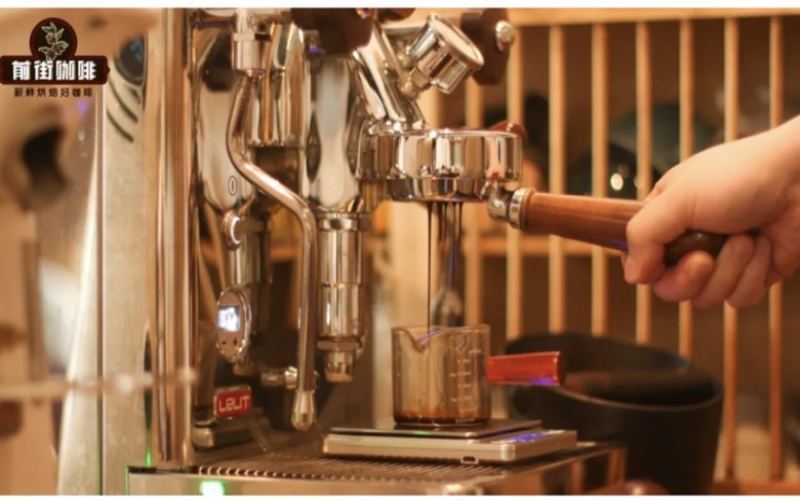
The Daily Rhythm of Home Espresso: The Time and Cost of a Latte
Integrating a home espresso machine into daily life comes down to turning the brewing process into a stable, repeatable habit. From start-up to cleanup, the full rhythm of making a latte takes about eight to ten minutes, and once you're proficient, the routine flows naturally, like brushing your teeth in the morning—no need to think twice. The machine takes about five minutes to preheat, and during that time you can grind and weigh the coffee. [more…]
After Roast Date: When Should You Grind Coffee Beans for the Best Flavor?
Coffee beans just out of the roaster won't display their full flavor the moment they go into the espresso machine. They still hold a lot of carbon dioxide inside, and during pressure extraction this can make the water flow and crema behave erratically, while the aroma in the cup may also seem shut down. Give the beans a quiet period to degas, and the sweetness, body, and finish of the espresso will usually be more [more…]
Beans for Both Espresso and Pour-Over: How to Configure a Single Machine for Two Brewing Methods
Players who have both an espresso machine and a pour-over kettle at home often fall into a kind of happy dilemma: when buying beans, they're always torn over "should this one be for pour-over or for espresso?" Actually, the mature approach is a dual-purpose bean lineup—within the same purchase batch, some beans are dedicated to espresso, some are dedicated to pour-over, and some can pull off both faces. This article talks about [more…]
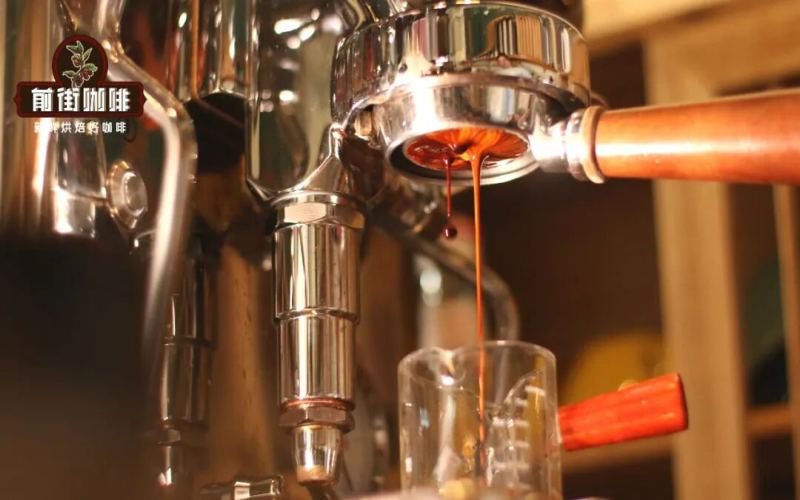
Key Points for Making Espresso | Why Do Coffee Shops Pour Out the First Espresso After Opening? Should You Pour Out the First Shot of Espresso When Making It at Home?
Have you ever seen this scene: a barista turns on the machine in the morning, and the first espresso pulled is not drunk, but "ruthlessly" poured down the drain, then they continue to pull the next shot. Guests who see this will ask why. If you're making coffee at home, do you need to do this too? Why is the first cup [more…]
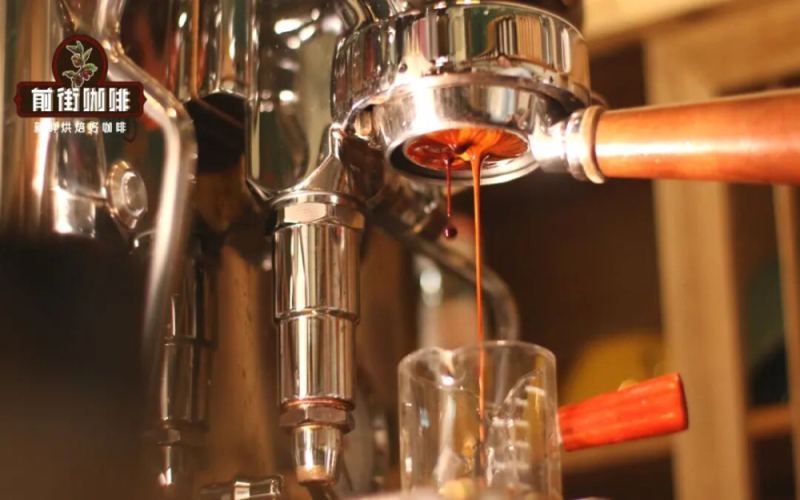
Why Discard the First Espresso Shot from an Espresso Machine? A Full Breakdown of Cleaning, Preheating, and Operation at Home and in Cafés
Many coffee enthusiasts have noticed that after switching on, coffee shops often pour away the first espresso pulled before they begin serving drinks as normal. Behind this seemingly wasteful gesture are actually multiple considerations, including cleaning powder residue, overnight coffee grounds, and machine parameters that have not yet stabilized. But for home users who only make one or two cups a day, is it necessary to copy this practice? Starting from the actual operating habits of Front Street stores, this article systematically sorts out the reasons why the first espresso is discarded, and offers specific advice for home scenarios on whether it needs to be poured out, how to properly handle residual grounds, and how to effectively preheat the coffee machine after deep cleaning, helping you ensure stable flavor in every cup while reducing waste. [more…]
In-Depth Analysis of Espresso Dose Control: Extraction Adjustment Strategies from Gram Weight Differences to Flavor Balance
Many coffee enthusiasts are intimately familiar with latte art and equipment, yet when it comes to espresso extraction, they often overlook dosing, puck management, and tasting judgment. In fact, dose control is just as critical as grind size adjustment—fluctuations in dose mean that even the most beautiful latte art cannot mask an imbalance in the coffee itself. Starting from the TDS and extraction yield formulas, and drawing on a 2.3-gram dose difference measured on a Mazzer Robur grinder, this article uses charts and data to illustrate the specific effects of dose on concentration, extraction yield, and the balance between acidity and bitterness, and explores approaches to dosing for light-roast espresso. Front Street Coffee also emphasizes the importance of dose consistency in its daily output, and we hope this article offers practical reference for your extraction adjustments. [more…]
How to brew pour-over coffee grounds to make it taste good? Analysis of nine detailed mistakes beginners often make
Many friends who are just getting into pour-over coffee encounter this confusion: they've bought the same beans as the café uses and followed the brewing recommendations, yet the cup they make tastes far different from what they had in the shop. In fact, the problem often isn't about how advanced your technique is, but rather a few easily overlooked small details. From purging the grinder before grinding, filter paper fitting, and the force of tapping the grounds, to checking before pouring, water temperature control, and bloom saturation, and further to executing parameters, observing the coffee bed, and swirling before drinking—every step can sway the final flavor in the cup. Front Street Coffee has put together nine details that beginners most easily overlook, to help you eliminate unstable factors at the source and bring every brew closer to the ideal taste. [more…]

Which Coffee Beans Should You Choose for Making a Latte? A Complete Workflow and Recipe Breakdown for Italian-Style Latte
Latte is one of the most iconic espresso drinks, where the richness of espresso and the warmth of milk blend together to create a balanced, smooth taste. To recreate a café-quality latte at home, three things matter most: choosing the right coffee beans, pulling consistent espresso shots, and getting the milk-to-coffee ratio right. This article starts with bean selection, introducing several espresso blends suited to making lattes, then breaks down the full process step by step — from grinding, distributing, and tamping to pulling the shot, steaming the milk, and pouring latte art — to help you make an outstanding latte. [more…]
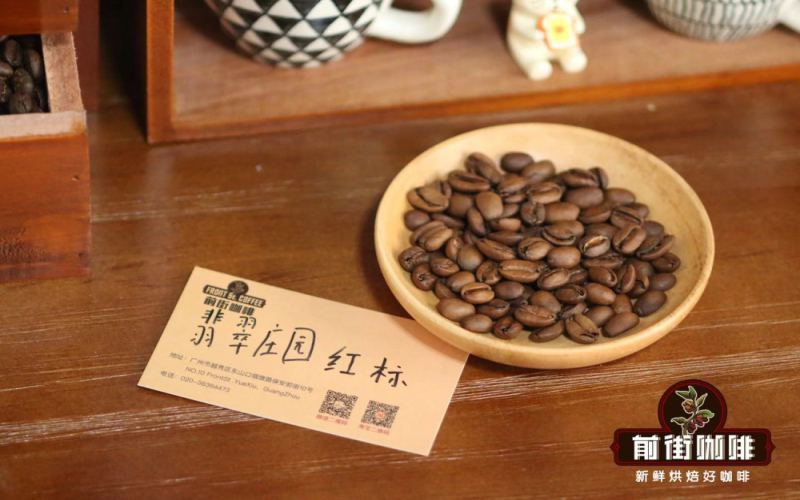
How can Geisha coffee be made to taste best? A complete analysis of whether it can be extracted as an SOE using an espresso machine.
Geisha rose to fame overnight at the 2004 BOP competition with its intense floral aroma and citrus-honey notes, becoming a favorite among many coffee enthusiasts. Many people want to use the espresso machine they have on hand to make it into an SOE and experience its distinctive flavor at high concentration, but Geisha is expensive and tends to be light-roasted, so directly applying conventional parameters often wastes beans and produces an unpleasant cup. This article addresses questions such as whether Geisha can be made as espresso, how to reduce the cost of dialing in, and how to set specific extraction plans, combining Front Street Coffee's tested workflow to provide a complete approach from using substitute beans for dialing in to the final output, helping you make a balanced cup of Geisha espresso and milk coffee at home. [more…]
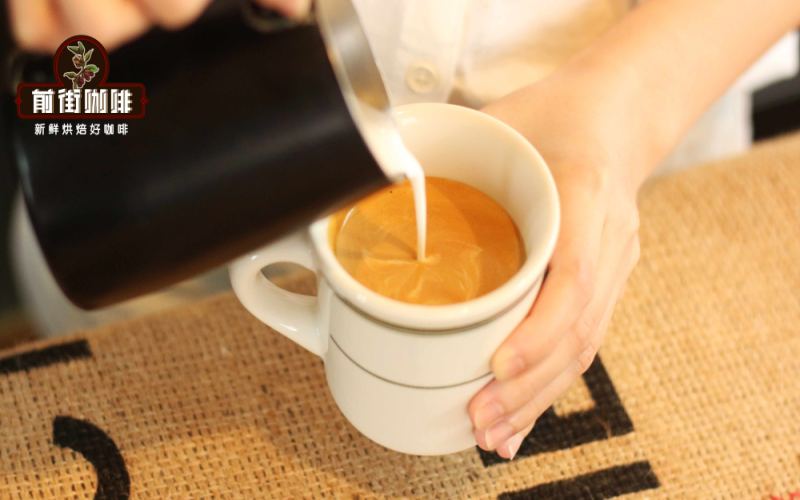
Practical Guide to Heart-Shaped Latte Art: A Complete Tutorial from Bean Selection to Finishing Techniques
Many people see heart-shaped latte art in coffee shops and think it looks easy to do, but once they actually try it, they discover there is quite a bit of technique involved. To make beautiful latte art, at least three prerequisites must be met: freshly roasted espresso beans, fresh milk kept refrigerated at low temperature, and an espresso machine with a pressure-boosting function. This article starts with the selection of Front Street Coffee beans and breaks down the entire process of heart-shaped latte art in detail, including extraction parameters, milk frothing methods, control of the amount used for incorporation, selection of the pour point, and common mistakes made during the finishing stage, helping coffee enthusiasts and novice baristas master the technique of consistently producing latte art step by step. [more…]
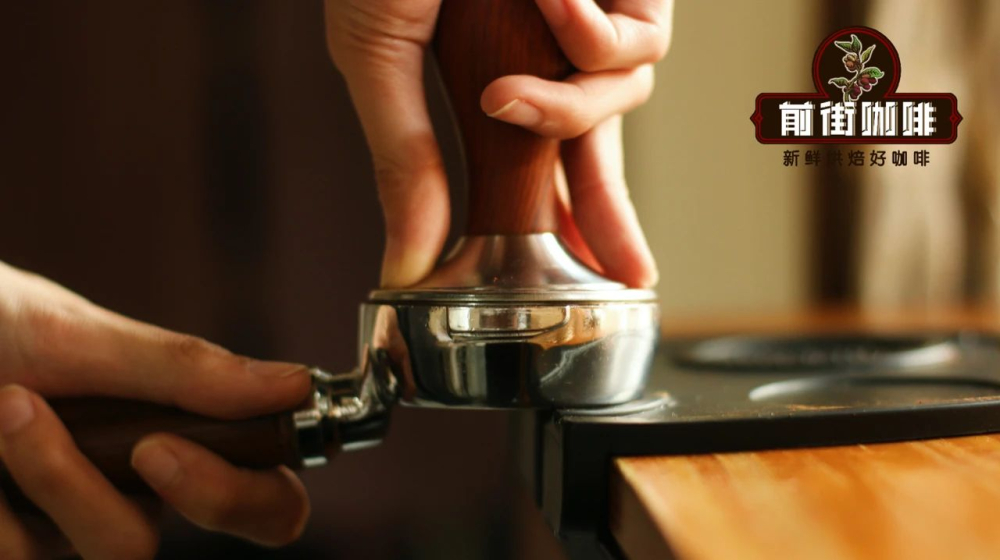
How to Make an Espresso Latte | What Is a Latte? Which Coffee Beans Should You Choose to Make a Latte Milk Coffee?
"I'm not in a café, I'm on my way to one." For Italians who love coffee, latte is an all-too-familiar drink. On a beautiful morning, sipping a cup of latte feels incredibly cozy and refreshing. So, what exactly is a latte? And how is it made? Below, join Front Street Coffee (Fr [more…]
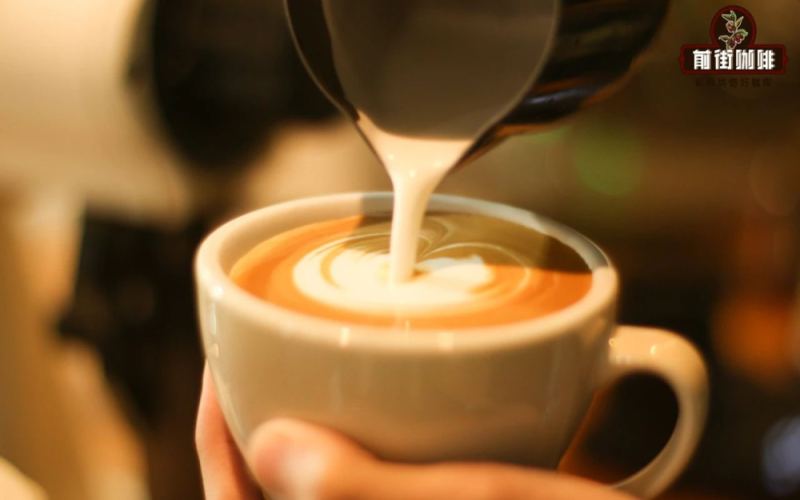
How to Make an Espresso Latte | How to Recreate the Same Beautiful Latte Art Latte as a Coffee Shop? What Are Some High-Cost-Performance, High-Quality Espresso Coffee Beans for Espresso Extraction?
"Latte" is a transliteration of the Italian word "Latte." Coffee Latte is a type of espresso-based coffee, referring to a drink made by mixing espresso with milk. As a result, it has both the rich aroma of espresso and the fresh sweetness of milk, with a balanced and smooth mouthfeel that leaves a lingering taste in your mouth after drinking. [more…]
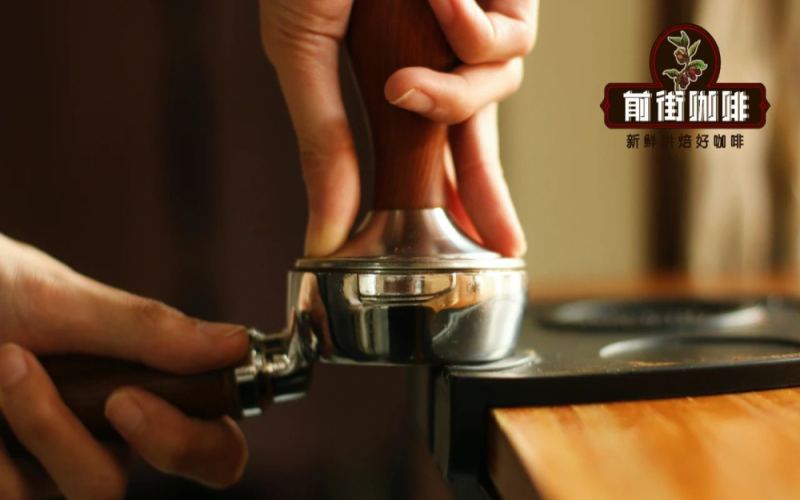
Latte Recipe Sharing | What Is a Latte? Which Coffee Beans and Milk Should You Choose for Latte Art? What Is the Milk-to-Espresso Ratio in a Latte?
" "I'm not in a café, I'm on my way to one." For Italians who love coffee, latte is an all-too-familiar drink. On a beautiful morning, sipping a cup of latte feels incredibly cozy and refreshing. So, what exactly is a latte? And how is it made? Let's take a look with Front Street Coffee (Fr [more…]

A Detailed Guide to the Classic Classifications and Standard Preparation Process of Espresso Latte
Latte is the transliteration of the Italian word "Latte," and it is also a classic espresso-based coffee drink made with milk. From the perspective of Front Street Coffee, this article systematically introduces the origin of the latte, ingredient selection, and the steps for making both hot and iced lattes, including coffee bean selection, extraction parameters, milk steaming, and latte art techniques. It also provides ratio recommendations for coffee beans with different roast levels to help coffee enthusiasts make an authentic and delicious latte at home. [more…]
Latte Coffee Making Guide: How to Choose Espresso Beans and Milk, and Extract Good Crema with a Coffee Machine
Latte is the quintessential drink that combines espresso with milk. It seems simple, but in reality, every step—from choosing coffee beans and extracting espresso to steaming milk—affects the final taste. Drawing on their in-store experience, Front Street Coffee shares recommendations for espresso blend beans suitable for making lattes, espresso extraction parameters, techniques for steaming milk, and specific methods and ratio references for both hot and iced lattes, helping coffee enthusiasts consistently make a delicious latte at home. [more…]
How to Make an Espresso Latte? A Complete Tutorial from Espresso Extraction to Milk Frothing, with Analysis of Iced and Hot Recipes
Latte is a classic combination of espresso and milk, and one of the most popular milk coffees in cafés worldwide. To make a delicious latte at home, the key lies in choosing the right coffee beans, mastering espresso extraction parameters, and learning to steam milk foam. Drawing on the experience of Front Street Coffee, this article explains in detail the origin of the latte, the selection of coffee beans and milk, the extraction and latte art steps for a hot latte, as well as the ratio approach for an iced latte, helping you systematically understand how to make an authentic Italian-style latte. [more…]